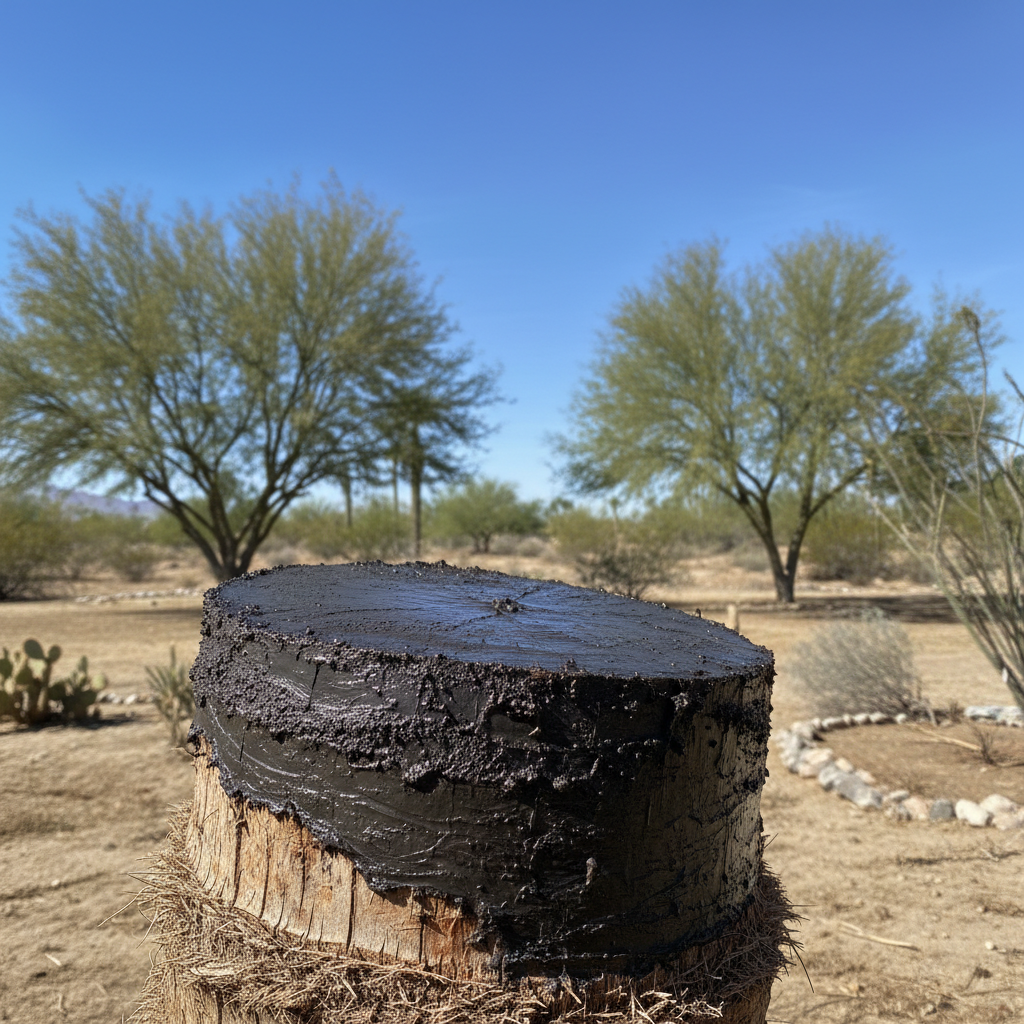
Is that mesquite looking a little sad? Or maybe your palm tree's fronds aren't as green as they used to be? Tree health in Desert Hot Springs isn't always straightforward. Our climate, with its intense sun and often dry conditions, puts unique stress on plants. As someone who's been working with trees here for years, I've seen it all. Let's talk about how you can keep your trees healthy and happy.
Before You Do Anything: Know Your Trees
First off, you've got to know what kind of trees you're dealing with. Is it a native like a palo verde or a desert willow, or something introduced that might need more specific care, like a citrus tree? Different trees have different needs when it comes to water, nutrients, and even how they like to be pruned. Don't just assume a one-size-fits-all approach will work. A good starting point is to identify everything on your property. If you're not sure, snap a picture and look it up online, or ask someone at a local nursery.
Next, take a good, hard look at your tree. What's its overall appearance? Is it leaning? Are there dead branches? Are the leaves discolored or sparse? These are your first clues that something might be off. Pay attention to the trunk, too. Are there cracks, holes, or strange growths? Sometimes, a tree can look okay from a distance, but up close, you'll see signs of stress or disease.
During the Process: What to Look For & What to Do
Once you've got a general idea, it's time to dig a little deeper. Here's what I usually tell folks to check:
- Watering Habits: This is huge in DHS. Are you watering too much or not enough? Overwatering can be just as bad as underwatering, especially with our sandy, fast-draining soil in areas like Skyborne. Most desert-adapted trees prefer deep, infrequent watering. Stick a finger in the soil a few inches down. Is it bone dry? Sopping wet? Adjust your irrigation.
- Pests and Diseases: Get up close and personal with the leaves, branches, and trunk. Look for tiny insects, webs, sticky residue, or unusual spots on the leaves. Sometimes it's just aphids, which you can often blast off with a strong stream of water. Other times, it could be something more serious like a borer or a fungal infection. If you see sawdust-like material near the trunk, that's a red flag for borers.
- Soil Health: Believe it or not, our desert soil isn't always the best for every tree. It can be low in organic matter and sometimes high in salts. Adding some good quality compost around the base of the tree (but not touching the trunk!) can make a big difference. It improves drainage, retains moisture, and adds nutrients.
- Mulch: A good layer of organic mulch (like wood chips) around the base of your tree is a game-changer. It helps retain soil moisture, regulates soil temperature, and suppresses weeds. Just make sure to keep it a few inches away from the tree trunk to prevent rot and pest issues.
For minor issues, you can often handle things yourself. Pruning small dead branches (less than an inch in diameter) with hand pruners is fine. Hosing off aphids, adjusting your watering schedule, or adding mulch are all DIY tasks. There are also plenty of organic pest control options at local garden centers if you're dealing with a minor infestation.
When to Call in the Pros
Now, this is where Desert Hot Springs Tree Service comes in. There are definitely times when you shouldn't try to be a hero:
- Large Branch Removal: Anything bigger than your wrist, especially if it's high up or near power lines, is a job for us. It's dangerous, and you could seriously hurt yourself or damage your property.
- Signs of Major Disease or Pest Infestation: If you're seeing widespread leaf loss, significant dieback, large cankers on the trunk, or an infestation that's not responding to simple treatments, you need an expert. We can diagnose the problem accurately and recommend the right course of action, which might include specific treatments or even removal if the tree is too far gone.
- Structural Issues: If your tree is leaning significantly, has large cracks in the trunk, or shows signs of root rot, it could be a hazard. Don't wait for it to fall. We can assess the risk and advise on bracing, cabling, or safe removal.
- Trees Near Structures or Power Lines: This is a no-brainer. Any work on trees close to your house, garage, or utility lines needs professional equipment and expertise.
- Planting New Trees: Getting a new tree off to a good start is crucial. We can help you choose the right species for your specific property and ensure it's planted correctly for long-term health.
Think of it this way: you wouldn't try to fix your own broken leg, right? Trees are living things, and sometimes they need specialized care. It's always better to be safe than sorry, both for your tree's health and your own safety. If you're ever in doubt about the health of your trees here in Desert Hot Springs, give us a call. We're happy to take a look and give you an honest opinion.