Alright, let's talk about keeping your trees in good shape here in Desert Hot Springs. I see a lot of folks trying their best, and that's great. But there's a real difference between what you can handle with a pair of pruners and when you need someone with the right gear and know-how. This isn't just about making your yard look good; it's about the long-term health of your trees and, frankly, the safety of your property.
Before You Start: Assessing Your Trees
Before you even think about grabbing a saw, take a good look at your trees. What kind are they? We've got a lot of different species out here, from those tough desert natives like palo verde and mesquite to more ornamental stuff like citrus or even some palms. Each one has its own needs. Knowing your tree type helps you understand its growth patterns, water requirements, and common issues.
Next, what's its overall condition? Are the leaves a healthy color? Are there any dead branches? Is it leaning awkwardly? Check the base of the trunk for any signs of pests or disease, like strange growths, holes, or sawdust. Look for cracks or splits in the bark. Sometimes, what looks like a small problem on the surface can be a much bigger issue underneath, especially with our sandy, often rocky soil that can stress roots.
Consider the tree's location too. Is it close to your house, power lines, or a neighbor's fence? Proximity dictates a lot about how you approach care, especially when it comes to trimming. You don't want a branch falling on your roof during one of our windstorms.
What You Can DIY (Safely)
There's plenty you can do yourself to keep your trees happy and healthy, especially for smaller, more accessible tasks.
- Watering: This is huge, especially for younger trees or during our scorching summers. Deep, infrequent watering is usually better than shallow, frequent sprinkles. Get water down to the root zone. For established desert-adapted trees, they might not need much, but a good soak during dry spells can help.
- Basic Pruning: You can absolutely handle small, dead, or diseased branches that are easy to reach from the ground with hand pruners or a pole saw. We're talking branches no thicker than your thumb, maybe an inch or so. Always make clean cuts, and cut back to the branch collar – that slightly swollen area where the branch meets the trunk or another branch. Don't leave stubs.
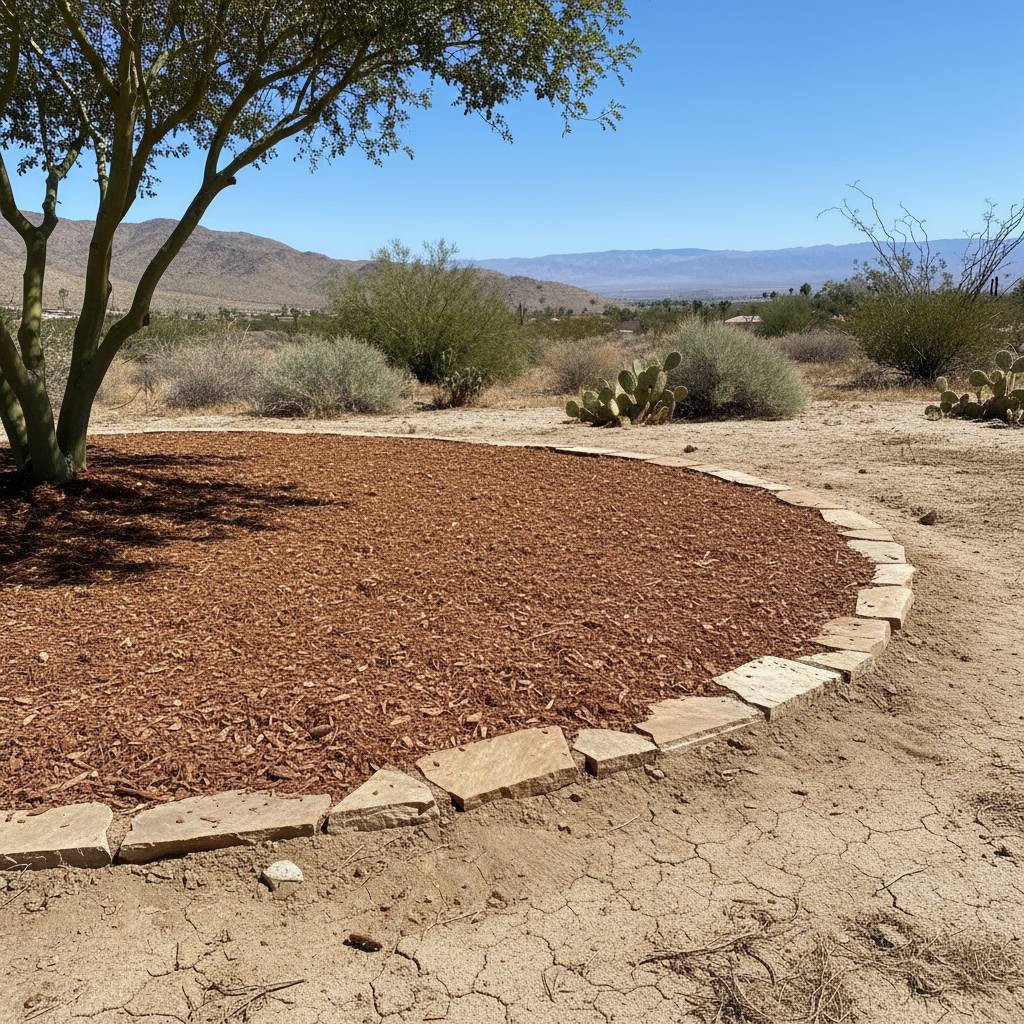
- Mulching: A good layer of organic mulch (like wood chips) around the base of your tree, but not touching the trunk, does wonders. It helps retain moisture, regulates soil temperature, and suppresses weeds. Just make sure it's not piled up against the trunk, as that can cause rot.
- Pest & Disease Monitoring: Regularly inspect your trees. If you spot a few aphids or some powdery mildew on a leaf, you can often address it with horticultural oil or a simple soap and water spray for minor issues. Catching things early is key.
When to Call a Pro (Like Desert Hot Springs Tree Service)
This is where you need to be honest with yourself about your capabilities and, more importantly, your safety. There are certain jobs that are just too dangerous or complex for the average homeowner.
- Large Branch Removal: Any branch that requires a ladder, a chainsaw, or that's thicker than a few inches is a job for us. These branches are heavy, unpredictable, and can cause serious injury or damage if they fall incorrectly.
- Tree Removal: Unless it's a tiny sapling, don't even think about removing a whole tree yourself. It's incredibly dangerous. Trees can fall in unexpected directions, and you need specialized equipment and training to do it safely and efficiently.
- Trees Near Structures or Power Lines: This is non-negotiable. If a tree or any part of it is close to your house, garage, or especially power lines, you need a professional. Utility companies can even fine you for interfering with power lines.
- Signs of Major Disease or Pest Infestation: If you're seeing widespread leaf discoloration, significant dieback, large holes, or strange growths, it's time for an expert diagnosis. We can identify the problem and recommend the right treatment, which might involve specific pesticides or fungicides, or even removal if the tree is too far gone.
- Storm Damage: After a big windstorm, you might have broken branches hanging precariously. These are often under tension and incredibly dangerous to deal with. Don't risk it; call us.
- Shaping & Structural Pruning: If you want to improve the overall shape of a mature tree, thin the canopy for better air circulation, or address structural issues like co-dominant leaders, that requires an understanding of tree biology and proper pruning techniques. Bad pruning can do more harm than good.
After the Work is Done: Ongoing Care
Whether you did some DIY or we handled the heavy lifting, ongoing care is crucial. Keep up with your watering schedule, especially during dry periods. Continue to monitor for pests and diseases. If you had a tree removed, consider what you'll plant in its place. If it was just pruned, make sure the cuts are healing well.
Think of tree care as a partnership. You do the regular check-ups and basic maintenance, and when things get serious or complex, you bring in the specialists. That's how you keep your Desert Hot Springs property looking good and your trees healthy for years to come.